Review: Life is Better with a Dog Embroidery Design
As someone who has spent countless hours hooping fabric, trimming jump stitches, and analyzing thread tension, I approach every new machine embroidery design with a mix of optimism and skepticism. We have all been there: you download a file that looks pristine on the screen, only to find it turns into a puckered mess or an unreadable blob once the needle hits the fabric. Today, I am taking a close look at the Life is Better with a Dog T-Shirt Design, evaluating it not just as a digital asset, but as a viable component for real-world embroidery projects.
First Impressions and Visual Personality
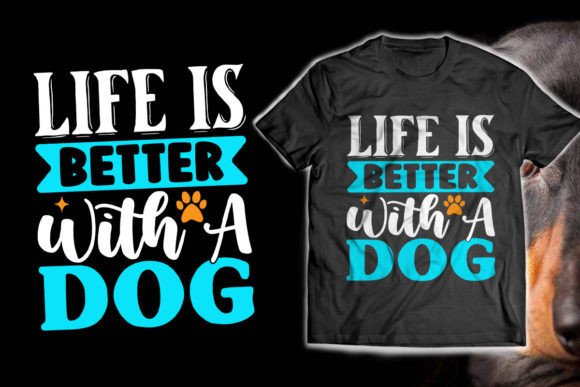
The first thing that strikes me about this design is its inherent warmth. The phrase "Life Is Better With A Dog" carries a universal sentiment that resonates deeply with pet owners, making it a strong candidate for personalized gifts and custom apparel. Visually, the layout appears balanced, avoiding the cluttered aesthetic that plagues many quote-based designs. For an Etsy seller or a craft business owner, clarity is currency. If a customer cannot read the message from three feet away, the design has failed.
This particular graphic leans into a clean, modern aesthetic. It does not rely on excessive decorative flourishes that can complicate stitching. Instead, it focuses on legibility and charm. When I visualize this on a tote bag design or a cozy sweatshirt, I see a product that feels boutique-quality rather than mass-produced. The mood is friendly and inviting, which is exactly what you want for items intended to spark conversation or convey affection.
Real-World Application: From Screen to Stitch
To truly test the viability of any digital embroidery file, you must imagine it in specific contexts. I recently considered using a similar concept for a custom order involving a heavy-weight canvas tote. In that scenario, the Life is Better with a Dog T-Shirt Design would need to hold its own against the textured weave of the fabric. Because this design is provided as a vector file, it offers significant flexibility. You can scale it to fit various hoop sizes without losing the integrity of the lines, which is crucial when moving from a small chest logo on a t-shirt to a larger back print on a hoodie.
For those running a small shop product line, versatility is key. This design translates well across multiple mediums. Imagine it stitched onto a baby onesie using soft pastel thread colors for a nursery theme, or on a rugged apron for a dog groomer’s business. The simplicity of the text allows it to adapt. However, because the source files are vectors in CMYK and RGB modes, primarily geared toward printing, embroidery digitizers must ensure the conversion to stitch data maintains the original spirit. If you are buying this as a ready-to-stitch file, check the preview images for smooth curves and adequate spacing between letters.
Technical Considerations for Embroiderers
While the aesthetic appeal is high, practical execution requires attention to detail. One of the most common pitfalls with text-based designs is stitch density. If the letters are too thin, they may disappear into fabrics with a loose weave, like linen or certain knits. Conversely, if the fill is too dense, it can cause the fabric to pucker, especially on stretchy materials used in sweatshirt embroidery or baby embroidery items.
When working with this design, I recommend testing it on scrap fabric first. Pay close attention to the corners of the letters. Sharp angles in vector graphics do not always translate perfectly to thread. You may need to adjust the underlay or use a cut-away stabilizer to provide enough support for the top stitching. For dark fabrics, consider using a satin stitch border around the text to make it pop, or choose high-contrast thread colors. A white or cream thread on navy blue cotton is a classic combination that enhances readability and visual appeal.
Another critical factor is the size of the hoop. If you are planning to use this on curved surfaces like caps, ensure the design fits within a smaller hoop, such as a 4x4 inch frame. Large, wide designs can distort on curved panels. For flat items like pillow covers or tea towels, you have more freedom to expand the size, but always keep the proportion of the text balanced. Tiny lettering should be avoided if the final product will be washed frequently, as small stitches can loosen over time.
Commercial Viability and Brand Consistency
For commercial embroidery professionals and digital product sellers, the value of a design lies in its ability to generate sales. The "dog lover" niche is evergreen. People are passionate about their pets, and they are willing to pay for high-quality items that reflect that love. Using the Life is Better with a Dog T-Shirt Design in your portfolio can help build brand consistency if your shop focuses on whimsical, heartwarming themes.
However, before listing finished items or selling the digital assets themselves, you must confirm the licensing terms. The product description mentions vector files suitable for printing and modification, but it is essential to verify if the license covers commercial use for embroidered goods. Many designers allow personal use but require an extended license for commercial production. Always read the fine print to protect your business and respect the creator’s rights.
Final Verdict for Makers and Designers
In my experience, a good embroidery design is one that minimizes headaches while maximizing impact. The Life is Better with a Dog T-Shirt Design shows promise as a versatile asset for makers. Its clean lines and emotional resonance make it suitable for a wide range of applications, from holiday embroidery gifts to everyday custom apparel.
Remember to treat the vector files as a starting point. If you are digitizing it yourself, pay attention to pull compensation and stitch angles. If you are purchasing a pre-digitized version, look for samples that show clean edges and no thread breaks. Test it on different fabric textures, from smooth cotton to fuzzy fleece, to understand how the stitches interact with the material.
Ultimately, this design fits well into the toolkit of any serious crafter. It is simple enough to stitch quickly, reducing machine time and costs, yet distinctive enough to stand out in a crowded market. Whether you are creating an embroidered patch for a local shelter fundraiser or a high-end finished product for a boutique client, this design offers a solid foundation. Just keep your stabilizer handy, your needles sharp, and your thread colors coordinated, and you will likely find that life—and your business—is indeed better with this design in your rotation.