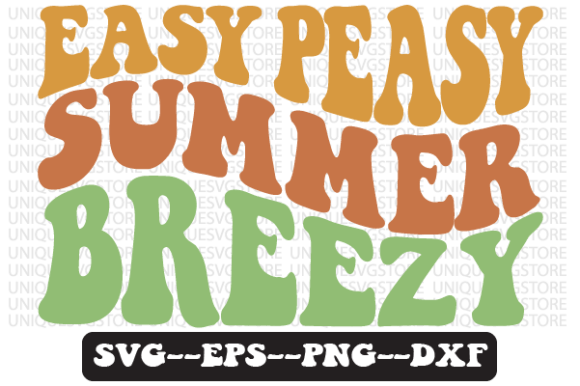
Reviewing Easy Peasy Summer Breezy Retro Svg for Stitchers
As a designer who has spent countless hours hooping fabric and troubleshooting thread breaks, I approach every new digital embroidery file with a mix of curiosity and caution. We have all been there: downloading a design that looks perfect on the screen but turns into a tangled mess of bird nests on the machine. Recently, I took a close look at the Easy Peasy Summer Breezy Retro Svg to determine if it holds up in real-world production environments. This isn't just about aesthetics; it is about whether this asset can reliably serve craft business owners, Etsy sellers, and hobbyists who need consistent results.
First Impressions and Visual Personality
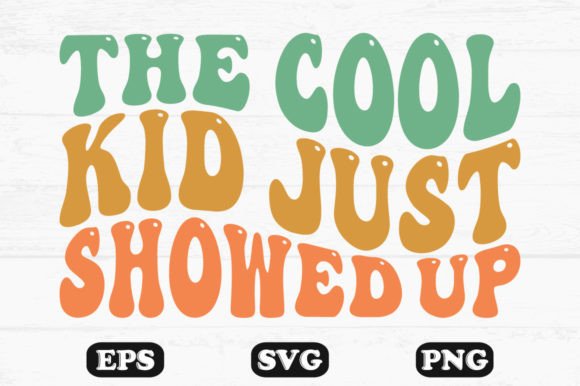
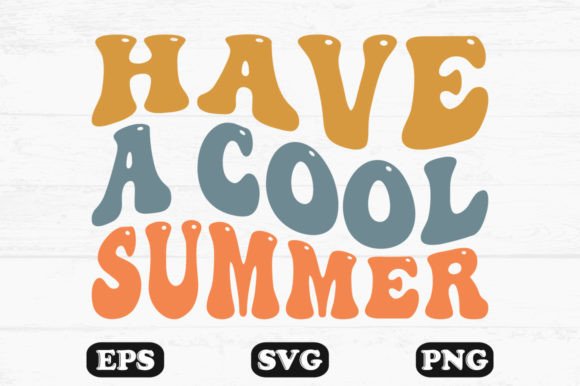
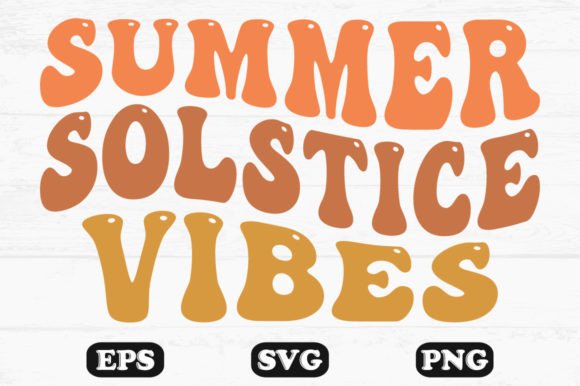
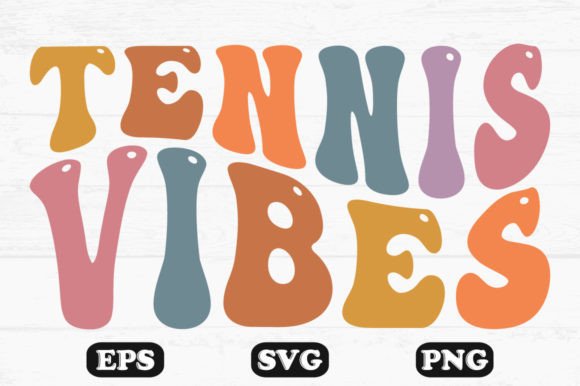
The immediate vibe of this piece is unmistakably groovy. It captures that laid-back, nostalgic summer energy that sells well in boutique markets. When I loaded the preview, I noticed the layout balances open space with defined shapes effectively. For an embroidery project, this is crucial. Designs that are too dense often pucker lightweight fabrics, while those that are too sparse can look unfinished. This graphic sits in a sweet spot, offering enough visual weight to be recognizable from a distance without overwhelming the garment.
The retro theme suggests a specific audience: people who appreciate vintage aesthetics, surf culture, or simple, happy motifs. As a graphics asset, it translates well across mediums, but my focus here is strictly on how it performs under the needle. The lines appear clean, which usually indicates that the digitizer has accounted for proper pull compensation and stitch direction.
Real-World Application: The Tote Bag Test
To evaluate practicality, I imagined applying this design to a canvas tote bag, a staple item for any small shop product line. Canvas is forgiving, but it requires a design that doesn't distort when pulled by the hoop. The Easy Peasy Summer Breezy Retro Svg features elements that would likely benefit from a combination of fill stitches and satin stitch borders. In a real case scenario, stitching this onto a natural cotton tote creates a high-contrast, professional look that appeals to buyers seeking handmade quality.
I also considered its use on custom apparel. Imagine this on the back of a oversized sweatshirt or the chest pocket of a denim jacket. The scale seems versatile enough to work as a focal point or a subtle accent. For Etsy sellers, versatility is key. A design that works on both a baby onesie and a adult hoodie increases the return on investment for the digital purchase. However, one must always check the specific dimensions provided in the file package to ensure it fits the intended hoop size.
Fabric Considerations and Stitch Behavior
Not all fabrics behave the same way. When working with textured fabrics like terry cloth towels or fluffy fleece, fine details can get lost. This design’s bold nature helps it survive on textured surfaces, but I would recommend testing on scrap fabric first. If you are stitching on thin fabric, such as a lightweight tank top, using a cut-away stabilizer is non-negotiable to prevent distortion. The stitch density appears moderate, which is good for stretchy fabrics, but always test tension settings before committing to a final product.
Dark fabrics present another challenge. If you are stitching this on navy or black, you must ensure your thread colors have enough contrast. A low-contrast thread choice will make the design disappear. I advise running a black-and-white mockup test on your computer to check visibility before threading the machine. This simple step saves time and expensive materials.
Commercial Viability and Brand Consistency
For commercial embroidery projects, consistency is everything. Customers return to shops because they trust the quality. Using a reliable machine embroidery design like this helps maintain that trust. The retro aesthetic aligns well with current trends in home decor and fashion, making it a strong candidate for holiday embroidery gifts or seasonal collections. Whether you are creating embroidered patches for a local club or personalized gifts for weddings, the mood of this piece is universally appealing.
However, be mindful of where you place it. Curved surfaces like caps require careful hooping and possibly a different stabilization strategy than flat items. If the design includes tiny lettering or intricate corners, ensure your machine can handle the detail at the reduced size required for a hat brim. Always confirm the license terms before selling finished items. While many designers allow commercial use of the physical product, restrictions may apply to mass production or digital resale.
Practical Designer Notes
- Test on Scraps: Never run a new design directly on your final garment. Use similar fabric and stabilizer combinations to check for puckering or thread breaks.
- Check Thread Contrast: Ensure your thread colors pop against the fabric background. High contrast improves readability and perceived value.
- Verify Hoop Size: Confirm that the design fits within your available hoop sizes. Resizing embroidery files can distort stitch density and cause issues.
- Stabilizer Selection: Match the stabilizer to the fabric. Use tear-away for stable woven fabrics and cut-away for knits or stretchy materials.
- License Confirmation: Always read the included license file. Understand the difference between personal use and commercial rights for your craft business.
Final Verdict for Makers and Sellers
The Easy Peasy Summer Breezy Retro Svg is a solid addition to any designer’s library. It offers a balance of style and technical feasibility that makes it suitable for a wide range of applications, from baby embroidery to boutique branding. While it is marketed alongside printable PNG sublimation designs, its strength in the embroidery world lies in its clear shapes and adaptable scale. For the handmade product creator, this means less troubleshooting and more time focusing on finishing touches and customer service.
Remember, the best design is one that suits your specific machine and skill level. If you are new to embroidery, start with larger hoop sizes and stable fabrics. As you gain confidence, you can experiment with more challenging materials like silk or leather. This design serves as a reliable tool in that journey, offering a professional look that enhances the perceived value of your finished product. Whether you are decorating drinkware via sublimation or stitching custom apparel, keeping these practical insights in mind will help you deliver quality work that keeps customers coming back.