Reviewing Fourth Grade Squad for Embroidery Projects
As a designer who has spent years translating digital concepts into thread, I approach every new machine embroidery design with a mix of curiosity and skepticism. We have all seen files that look crisp on a screen but turn into a tangled mess under the needle. When I first encountered Fourth Grade Squad, my immediate question was not just about aesthetics, but about functionality. This piece, created by the mrrana62783 team, presents itself as a versatile typography or SVG-print asset intended for t-shirts, book covers, and mugs. However, for those of us in the crafts and graphics space who work with fabric, the real test is how it translates to a finished product.
First Impressions and Visual Personality
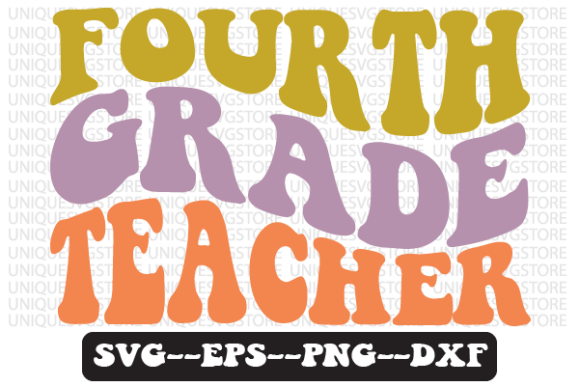
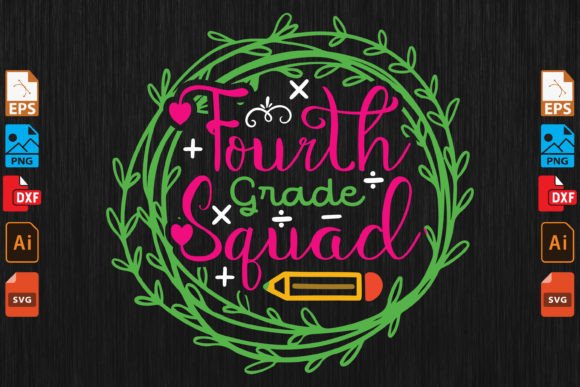
The mood of Fourth Grade Squad is inherently playful yet structured. It captures that specific energy of elementary school pride—organized chaos, bright enthusiasm, and a sense of belonging. From a layout perspective, the typography appears bold enough to hold its own, which is crucial for embroidery. Delicate, thin fonts often disappear into the texture of fabric, especially after washing. This design seems to prioritize legibility, suggesting that it would perform well when converted into an embroidery file with appropriate stitch types.
Visually, it feels like a natural fit for back-to-school collections. It is not overly ornate, which is a blessing for production speed. For an Etsy seller or small shop product creator, time is money. A design that stitches cleanly without excessive jump stitches or complex color changes is invaluable. The visual personality suggests confidence; it does not need heavy embellishment to make a statement. This makes it an excellent candidate for a wide range of design assets beyond just clothing.
Real-World Application: The Custom Tote Bag Scenario
To truly evaluate Fourth Grade Squad, I imagined a common client request: a set of personalized tote bags for a fourth-grade teacher’s end-of-year gifts. In this scenario, the design needs to be durable, readable from a distance, and appealing to both children and parents. Using this quote on a canvas tote bag design allows the bold lettering to shine. Canvas provides a stable base that supports higher stitch density without puckering, assuming the correct stabilizer is used.
If I were stitching this for a custom apparel line, such as a class sweatshirt, the placement would be critical. Centered on the chest, it acts as a badge of honor. On the back, it can be larger, allowing for more intricate details if the original vector file permits scaling. The beauty of this type of digital embroidery file is its adaptability. Whether you are creating a personalized gift for a single student or producing bulk orders for a school fundraiser, the core message remains clear and impactful.
Material Considerations and Stitching Challenges
While the design is robust, it is not immune to the physical limitations of embroidery. When working with textured fabrics like fleece or terry cloth for towels, the edges of the letters must be carefully managed. A satin stitch might sink into the pile, losing definition. In such cases, converting parts of the design to a fill stitch or adding a subtle running stitch border could enhance clarity. For baby embroidery items, where softness is paramount, one must ensure that the back of the stitching does not irritate sensitive skin. Using a cut-away stabilizer and trimming excess threads meticulously is non-negotiable here.
Another consideration is the hoop size. If you are planning to use this on a cap or a curved surface, the design’s width must fit within standard hoop dimensions without distortion. Caps are tricky; the curvature can stretch the design, making letters appear thinner. Testing on a scrap piece of similar fabric is essential. I always recommend stitching a test run on the actual material you intend to use. This helps you gauge how the thread colors interact with the fabric background. Dark fabrics may require an underlay stitch to prevent the fabric color from showing through the lighter threads of the text.
Commercial Viability and Brand Consistency
For commercial embroidery professionals, consistency is key. Fourth Grade Squad offers a clean aesthetic that aligns well with modern boutique branding. It does not look dated or overly clip-art-ish, which elevates the perceived value of the handmade product. Customers are increasingly discerning; they can spot low-quality digitizing from a mile away. A design that stitches out smoothly, with minimal trims and no bird’s nests, builds trust. It signals that the creator cares about quality.
This design also works well for printable mockup creation. Before committing to physical production, digital sellers can use the SVG or vector template to create realistic previews for their online stores. This reduces waste and allows for rapid iteration of color schemes. Whether you are selling embroidered patches or full-sized garments, having a versatile graphic that works across mediums is a significant advantage. It allows for cross-promotion, such as offering a matching mug design alongside the embroidered apparel, creating a cohesive gift set.
Practical Notes for Designers and Makers
Before launching into production with Fourth Grade Squad, consider these practical steps:
- Check Licensing: Always verify the license terms provided by mrrana62783. Ensure that commercial use is permitted if you plan to sell finished items or digital products.
- Test Stitch Density: If converting from SVG to an embroidery format, adjust the density based on your fabric. Too dense, and the fabric will pucker; too sparse, and the backing will show.
- Contrast is King: Choose thread colors that stand out against the fabric. High contrast improves readability, especially for smaller items like baby clothes.
- Stabilizer Selection: Use tear-away stabilizers for woven fabrics and cut-away for knits. This ensures the design remains stable over time and through washes.
- Scale Appropriately: Do not shrink the design beyond legibility. Tiny lettering can become illegible when stitched. Maintain a minimum height for the smallest characters.
In conclusion, Fourth Grade Squad is a promising asset for designers looking to add a touch of scholastic charm to their portfolio. Its strength lies in its simplicity and boldness, which translate well to the tactile nature of embroidery. By paying attention to fabric choice, stabilizer type, and stitch parameters, you can transform this digital graphic into a high-quality holiday embroidery piece or a year-round bestseller. It is a reminder that good design is not just about how it looks on screen, but how it feels in the hand and wears over time. For the creative entrepreneurs and hobbyists among us, it offers a reliable foundation for building memorable, professional-grade products.