Reviewing Happy 1st Mothers Day for Real Embroidery Projects
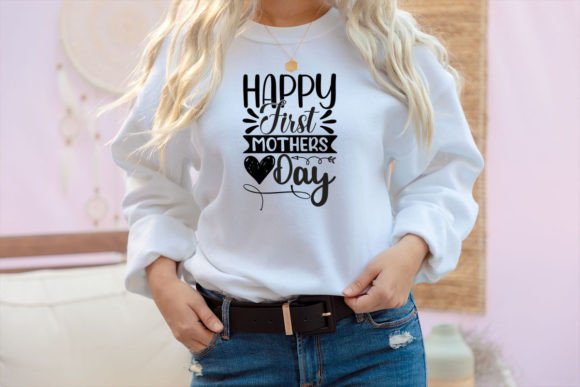
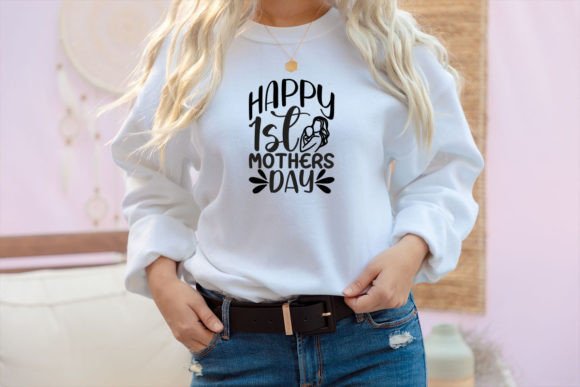
As a designer who spends more time staring at stitch simulations than actual fabric, I have learned to be skeptical of digital assets that promise perfection. When I first opened the Happy 1st Mothers Day file, my initial reaction was one of cautious optimism. The preview showed a Mother SVG design with beautiful quote eye catching graphics, which immediately signaled that this was not just a basic text dump. For those of us in the craft business, the difference between a generic clipart and a thoughtfully composed graphic can make or break a sale on Etsy or at a local craft fair.
The mood of this piece is tender yet celebratory. It captures that specific milestone of a new mother’s journey without leaning too heavily into clichés. From a layout perspective, the balance between the typography and the decorative elements feels intentional. This is crucial because embroidery machines do not forgive poor spacing. If the elements are too close, you risk thread breaks and bird nests; if they are too far apart, the design loses cohesion on the garment. This design seems to strike that middle ground, offering enough negative space to let the stitches breathe while maintaining a unified visual identity.
Visual Appeal and Stitching Clarity
When evaluating any machine embroidery design, I look at how it translates from screen to thread. The high resolution 300 DPI AI, PNG, JPG, EPS, PDF, files with transparent background suggest versatility, but for embroidery, we are primarily concerned with how these vectors translate into stitch paths. The eye-catching graphics mentioned in the description likely rely on clean lines and distinct shapes. In a real-world scenario, this means the satin stitch sections should lay flat, and any fill stitch areas need to be dense enough to cover the fabric but not so dense that they cause puckering.
I imagine this design working beautifully on a soft, heathered sweatshirt. The contrast between the bold quote and the textured fabric would create a tactile experience that customers love. However, clarity is key. If the lettering is too intricate, it might blur after washing. I recommend zooming in on the smallest details in your digitizing software. If the tiny serifs or decorative flourishes are smaller than 4mm, you might need to simplify them or switch to a running stitch outline to ensure longevity. This is especially true for baby embroidery, where items undergo frequent laundering.
Real-World Application: The Custom Tote Bag Test
To truly test Happy 1st Mothers Day, I mentally placed it on a canvas tote bag. Tote bags are a staple for small shop products and holiday gifts. The sturdy texture of canvas provides an excellent base for embroidery, allowing the thread to pop. Here, the design’s structure would shine. The quote serves as the focal point, while the surrounding graphics frame it nicely. This makes it an ideal tote bag design for boutique branding or personalized gifts.
However, placement matters. On a tote, you have a large hoop size available, which allows you to scale the design up for maximum impact. But if you were to shrink it for a cap or a small embroidered patch, you must be careful. Curved surfaces like caps distort designs. If the graphics have long, horizontal elements, they might warp when stitched onto a curved crown. I would advise testing a smaller version on scrap fabric first to see how the stabilizer holds up against the curve.
Navigating Fabric and Technical Challenges
Not all fabrics behave the same way. While this design is described as perfect on t-shirts, we must consider the fabric texture. A thin, stretchy jersey knit requires a different approach than a stiff denim. For t-shirts, using a cut-away stabilizer is non-negotiable to prevent the design from pulling the fabric out of shape. The stitch density of the embroidery file will determine how heavy the final product feels. If the design is too dense, it can make a lightweight t-shirt uncomfortable to wear.
Dark fabrics present another challenge. The description mentions transparent background files, which is great for mockups, but for stitching, you need to ensure your thread colors have enough contrast. If you are stitching white thread on black fabric, any gaps in the fill stitch will show the background. I always recommend doing a test stitch on the actual fabric color you plan to sell. Check thread color contrast carefully. A design that looks crisp in a digital preview might look muddy if the thread tension is off or if the fabric absorbs the thread color.
Commercial Viability for Etsy Sellers and Crafters
For the Etsy seller or creative entrepreneur, Happy 1st Mothers Day represents more than just a pretty picture; it is a potential revenue stream. Holiday embroidery peaks around Mother’s Day, and having a ready-to-use, professional-looking asset saves hours of digitizing time. This design fits well into the category of T-Shirt Designs and Graphics, but its application extends further. Think about aprons, kitchen towels, or even nursery decor. The emotional resonance of a "first" Mother’s Day makes it a high-value item for personalized gifts.
Brand consistency is also vital. If your shop specializes in minimalist, modern aesthetics, ensure this design aligns with your other products. If your brand is whimsical and colorful, this design might need vibrant thread choices to fit in. Use printable mockup tools to visualize how the design looks in different colorways before you commit to production. This helps in creating compelling listings that drive buyer engagement.
Practical Designer Notes for Best Results
Before you load this into your machine, take a moment to review the technical specs. Since the product includes AI and EPS files, you have the flexibility to edit the vector paths if needed. This is a huge advantage for custom apparel projects where clients might want slight modifications. However, always confirm licensing before selling finished items or digital products. Just because a file is high resolution does not automatically grant commercial rights.
- Test on Scrap Fabric: Never skip this step. It reveals issues with tension, density, and registration.
- Check Hoop Size: Ensure the design fits within your machine’s maximum hoop area without resizing beyond recommended limits.
- Inspect Small Details: Zoom in to check for tiny elements that might not stitch out cleanly.
- Use Proper Stabilizer: Match the stabilizer to the fabric weight and type.
- Verify License Terms: Clarify if the license allows for unlimited physical sales or if there are restrictions.
In conclusion, Happy 1st Mothers Day offers a solid foundation for a variety of embroidery projects. Its strength lies in its balanced composition and emotional appeal. By paying attention to fabric choice, stabilizer selection, and stitch density, you can transform this digital asset into a high-quality finished product that resonates with customers. Whether you are creating a single personalized gift or stocking your small shop with holiday merchandise, this design holds up under professional scrutiny. Just remember, the best embroidery is not just about the design file; it is about the care and precision you put into every stitch.