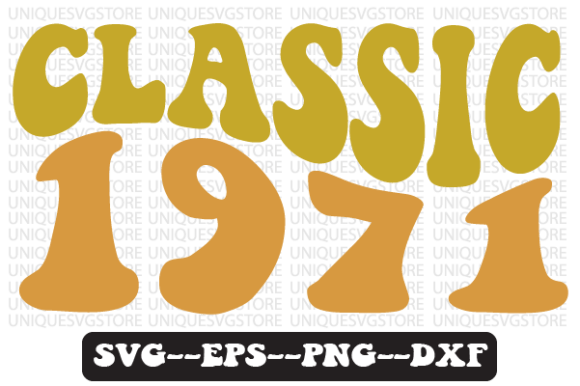
Reviewing the Classic 1971 Wavy Retro Svg Design
As a designer who spends half my day digitizing files and the other half testing them on actual fabric, I have learned that not every graphic translates well to thread. When I first pulled up the Classic 1971 Wavy Retro Svg Design, my initial reaction was one of cautious optimism. The wavy, psychedelic aesthetic is undeniably trendy right now, bridging the gap between vintage nostalgia and modern minimalism. But trends do not stitch themselves. I needed to know if this specific layout would hold up under the needle or if it was just another pretty picture destined for digital obscurity.
First Impressions and Visual Personality
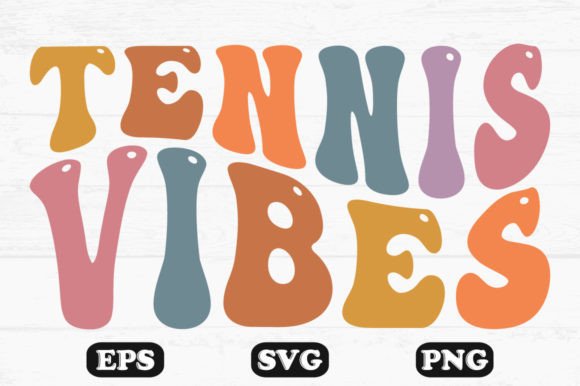
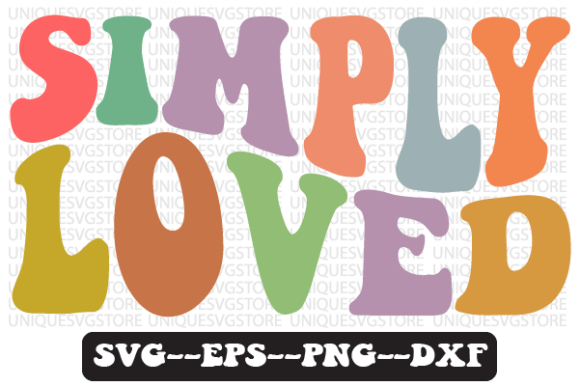
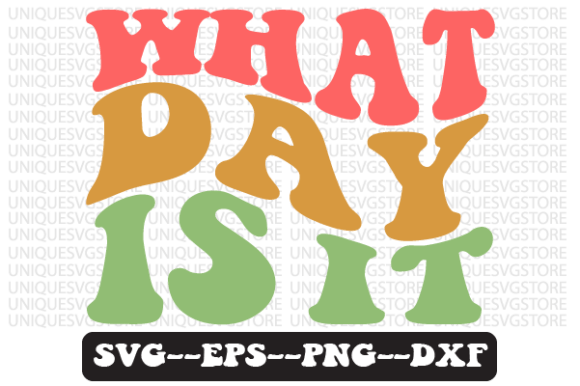
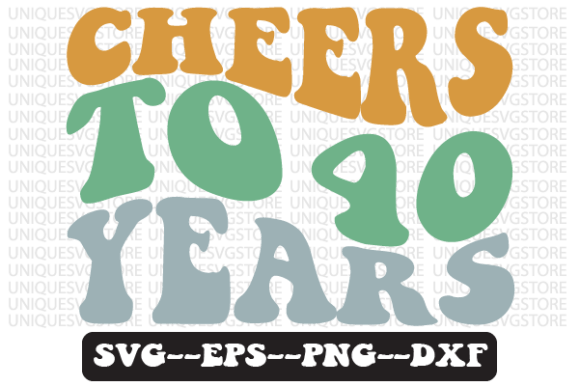
The mood of this design is playful yet structured. It captures that distinct early seventies vibe without feeling cluttered. For those of us in the Crafts and Graphics space, we know that clean lines are essential for embroidery. This design features bold, flowing curves that suggest movement. Visually, it feels light and airy, which is a significant advantage when working with apparel. Heavy, dense designs can weigh down a garment, but the open nature of these waves suggests a balanced stitch density that should sit comfortably on various textiles.
The visual personality here is versatile. It does not scream for attention with aggressive details; instead, it offers a subtle retro charm. This makes it an excellent candidate for customers who want something stylish but not overwhelming. Whether you are creating a handmade product for a boutique or a personalized gift for a friend, the design’s simplicity allows it to blend seamlessly into different brand aesthetics.
Real-World Application: The Tote Bag Test
To truly evaluate the Classic 1971 Wavy Retro Svg Design, I imagined a specific real-life scenario. I had a client requesting a set of custom tote bags for a local farmers' market vendor. They wanted something eye-catching but durable. I visualized placing this wavy design on the center of a heavy canvas tote. The broad curves of the svg would likely translate beautifully into a combination of satin stitch for the outlines and a lighter fill stitch for any internal coloring, depending on how the file is digitized.
In this context, the design works because it is scalable. On a large tote, it becomes a statement piece. On a smaller item, like a baby embroidery project for a onesie, it could be reduced significantly without losing its core identity. This scalability is crucial for Etsy sellers and small shop product creators who need to maximize the utility of a single digital embroidery file. If the design holds its integrity at both two inches and eight inches, it becomes a valuable asset in your library.
Fabric Considerations and Stitching Clarity
One of the most critical aspects of using any embroidery file is understanding how it interacts with fabric texture. The wavy lines in this design are smooth, which generally means fewer jumps and cleaner finishes. However, when working with textured fabrics like terry cloth towels or fuzzy sweatshirts, you must be mindful of detail loss. Since this design relies on flow rather than intricate micro-details, it is surprisingly forgiving on textured surfaces.
For sweatshirt embroidery, I recommend using a cut-away stabilizer to prevent puckering, especially given the curved nature of the waves. Curves can pull fabric if not properly supported. On thinner materials, such as a long-sleeve tee or a tank top, a tear-away stabilizer might suffice, but always test first. The design’s open structure means it is less likely to cause excessive stiffness, a common complaint with poorly digitized retro graphics.
Where to Use Caution
While the design is robust, there are areas where you should proceed with care. If you are planning to use this on a curved surface like a cap, ensure the design is centered correctly to avoid distortion. The waves should flow parallel to the brim for the best visual effect. Additionally, if you are using this for an embroidered patch, consider adding a border. The organic edges of the waves might look unfinished on a patch unless framed by a satin stitch border or merged with a shape background.
Avoid using extremely similar thread colors for adjacent sections if the design has overlapping elements. Contrast is key to making the retro vibe pop. A monochrome look can be chic, but it requires precise tension settings to ensure the waves remain distinct and do not blur into one another.
Commercial Viability and Brand Consistency
For commercial embroidery projects, consistency is everything. The Classic 1971 Wavy Retro Svg Design offers a level of professionalism that builds customer trust. It does not look like a clip-art afterthought; it looks intentional. This perception of quality directly impacts buyer engagement. When customers see clean, well-executed stitching on a custom apparel item, they perceive higher value.
This design fits well within several niches. It is perfect for holiday embroidery gifts, particularly for those who appreciate vintage aesthetics. It also works well for nursery decor, adding a soft, rhythmic element to pillow covers or blankets. For craft business owners, this versatility means you can create multiple product lines from one asset. You can offer it on mugs via sublimation using the included PNG, and on hoodies via embroidery, maximizing your return on investment.
Practical Designer Notes
Before you commit to a full production run, follow these practical steps:
- Test on Scrap Fabric: Always stitch out a sample on the same material you plan to use for the final product. Check for puckering or thread breaks.
- Check Thread Contrast: View your design in black and white mockups. If the waves disappear, you need higher contrast between your thread and fabric.
- Verify Licensing: The product description mentions it is a printable PNG and SVG. Ensure you understand the license terms for selling finished physical items versus digital products. Most commercial licenses allow selling finished goods, but confirm this before listing on Etsy.
- Inspect Small Details: Zoom in on the vector file. Are there any stray nodes or tiny fragments that might cause machine errors? Clean up the file if necessary before digitizing or printing.
- Consider Hoop Size: Ensure your machine’s hoop size accommodates the desired dimensions. This design is flexible, but always measure twice.
In conclusion, the Classic 1971 Wavy Retro Svg Design is a strong contender for your next embroidery project. It balances aesthetic appeal with practical stitchability. By respecting the material constraints and preparing your setup correctly, you can turn this digital asset into a high-quality finished product that resonates with customers. It is a reminder that good design is not just about how it looks on screen, but how it feels in hand and how it stands up to the wash cycle. For designers and makers looking to add a touch of retro flair to their inventory, this design deserves a spot in your toolkit.