Reviewing the Charity Man Groovy Retro SVG for Embroidery
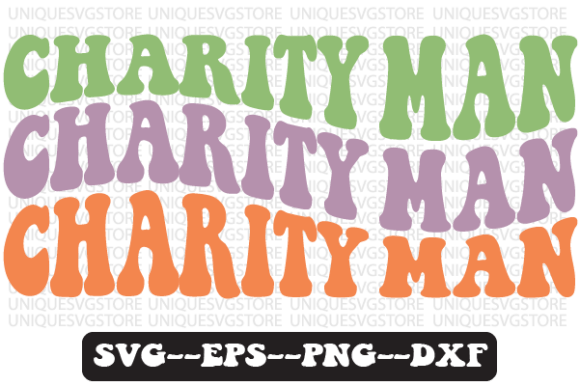
As a designer who spends half my life digitizing and the other half stitching, I have learned that not every graphic translates well to thread. We often see stunning Graphics in the digital space that fall flat when put under the needle. Recently, I pulled up the Charity Man Groovy Retro Svg Design to evaluate its potential for real-world application. This isn’t just about whether it looks cute on a screen; it is about whether it holds up as a durable, high-quality machine embroidery design or sublimation print on actual products.
First Impressions: Mood and Visual Personality
The immediate vibe of this piece is nostalgic warmth. The "groovy" aesthetic relies heavily on curved lines, bold shapes, and a distinct retro typography style that screams seventies influence. When I first opened the file, I was looking at the complexity of the curves. In embroidery, smooth curves are harder to execute than straight lines because they require precise stitch angles to avoid jagged edges. The layout here feels balanced, with a central figure that anchors the composition. It creates a mood of kindness and vintage charm, which is perfect for the current market trend leaning toward wholesome, feel-good messaging.
For those of us in the Crafts industry, understanding the visual weight is crucial. This design does not appear overly dense, which is a good sign. Heavy density can lead to puckering, especially on softer fabrics. The open spaces suggest that if digitized correctly, it would allow the fabric texture to breathe, creating a more professional finish rather than a stiff, plastic-like patch.
Real-World Application: From Screen to Stitch
I imagined this design on a few different canvases to test its versatility. My primary test case was a custom tote bag. Tote bags are usually made of canvas or heavy cotton, which are forgiving substrates. The Charity Man Groovy Retro Svg Design would sit beautifully on a natural-colored canvas tote. The retro colors pop against neutral backgrounds, making it an ideal tote bag design for farmers' markets or boutique giveaways.
Next, I considered sweatshirt embroidery. Hoodies and crewnecks have a textured, fuzzy surface. A design with too much fine detail gets lost in the pile of the fleece. However, the bold nature of this groovy style means the main shapes would remain visible. If you are using this for custom apparel, I recommend using a cut-away stabilizer to support the weight of the stitches on the stretchy knit fabric. This ensures the design doesn't distort after the first wash.
It is also worth noting the product description mentions it is a printable PNG for sublimation. This dual utility is a massive advantage for Etsy sellers and small shop owners. You can offer the same design as a physical embroidered patch or a sublimated mug, maximizing your design assets without creating new artwork from scratch. For mugs and hard surfaces, the vector clarity of the SVG ensures crisp edges when printed, avoiding the pixelation that plagues lower-resolution files.
Technical Considerations for Embroiderers
If you plan to digitize this SVG yourself or use a pre-digitized version, there are critical technical factors to review. First, check the stitch density. Retro designs often use solid fills. If the density is too high on a thin fabric like a onesie or tank top, you will experience registration issues and fabric pull. Always test on scrap fabric first. I cannot stress this enough. What looks perfect on your monitor might pucker badly on a polyester blend.
Second, consider the hoop size. This design likely requires a medium to large hoop to maintain its proportions without scaling down too much. If you shrink it to fit a 4x4 hoop for a cap or baby item, the smaller details might merge. Tiny lettering or thin limbs in the character design could become indistinguishable blobs of thread. For baby embroidery on onesies, ensure the scaled-down version still retains legibility and charm.
Thread color choice is another make-or-break element. The groovy aesthetic demands specific palettes—mustards, burnt oranges, teals, and creams. Using standard primary colors will kill the vintage vibe. I suggest creating a printable mockup with your intended thread colors before stitching. Compare how the design looks on light versus dark fabrics. On dark garments, you may need to add a white underlay or use a satin stitch border to define the edges clearly.
Where to Use It Carefully
While versatile, this design is not universal. Avoid placing it on highly textured fabrics like terry cloth towels unless you use a strong topping stabilizer. The loops of the towel can catch the needle, causing breaks or uneven stitches. Similarly, be cautious with curved surfaces like baseball caps. The distortion inherent in cap embroidery can warp the retro typography, making it look wavy or unprofessional. If you must use it on a cap, ensure the digitizing includes proper pull compensation.
Also, consider the end-use. If this is for a personalized gift that will be washed frequently, such as a kitchen towel or apron, ensure the thread quality is high-rayon or polyester for colorfastness. Cheap threads will fade, ruining the aesthetic appeal of your finished product.
Boosting Brand Value and Customer Trust
For commercial embroidery projects, consistency is key. Using a cohesive design style like this groovy retro theme helps build brand recognition. Customers associate the unique visual personality with your shop. When you present a clean, well-stitched embroidered patch or garment, it signals professionalism. It tells the buyer that you care about quality, which builds trust and encourages repeat business.
This design fits well into categories like holiday gifts or boutique branding. It is friendly enough for a child's item but stylish enough for adult apparel. By offering it across multiple products—mugs, shirts, wall art—you create a cohesive collection. This strategy increases the perceived value of your small shop product line.
Final Designer Notes
Before you list this as a digital embroidery file or start stitching for clients, do your due diligence. Confirm the licensing terms. Just because you bought the SVG does not automatically grant commercial rights for all uses. Check if the license covers physical sales, digital resale, or both. Also, verify the file formats provided. While SVG is great for cutting and printing, ensure you have the correct embroidery file format (like PES, DST, or JEF) compatible with your machine if you are not digitizing it yourself.
In summary, the Charity Man Groovy Retro Svg Design is a strong contender for makers looking to tap into the retro trend. It offers flexibility across sublimation and embroidery, provided you respect the technical limitations of each medium. With proper stabilizer choice, thread selection, and testing, it can become a standout piece in your portfolio. Keep your stitches tight, your tensions balanced, and your creativity flowing.