Reviewing the Teacher Groovy Retro SVG for Embroidery
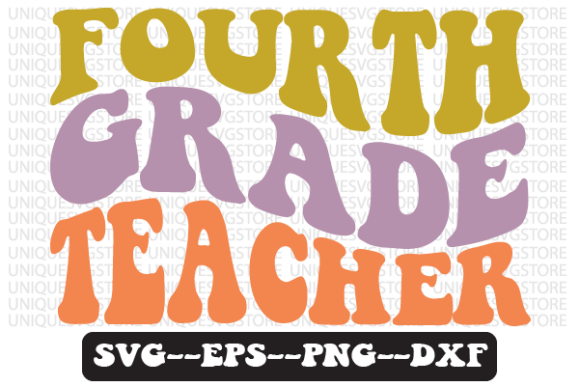
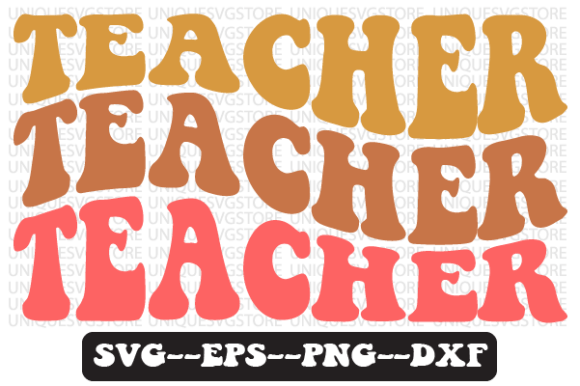
As a designer who spends half my life digitizing and the other half stitching, I have learned to look past the flashy preview images. When I first pulled up the Teacher Groovy Retro Svg Design, my immediate reaction was not just about the aesthetic, but about its structural integrity. In the world of Crafts and digital Graphics, there is a distinct difference between a file that looks good on a screen and one that holds up under the needle. This design, with its bold curves and retro typography, promises a lot of visual impact, but does it deliver in a real-world embroidery project?
The First Impression: Mood and Layout
The vibe here is unmistakably nostalgic. The groovy aesthetic taps into a current trend that is performing exceptionally well for Etsy sellers and boutique owners. The layout features thick, rounded lines and a playful composition that suggests fun and approachability. For an embroidery designer, this is both a blessing and a challenge. Thick lines are generally forgiving, allowing for solid fill stitch coverage without excessive density, but the curves require careful handling to avoid jagged edges.
I imagined this design immediately on a canvas tote or a heavy cotton sweatshirt. It feels like it belongs in a classroom setting or on a teacher’s lounge mug. The visual personality is warm, making it an ideal candidate for a personalized gift or a custom apparel piece meant to boost morale. However, before I could commit to a full production run, I needed to assess how these graphic elements would translate into thread.
Real-World Application: From Screen to Stitch
To test the viability of this machine embroidery design, I considered a specific scenario: creating a set of end-of-year gifts for a local elementary school staff. The goal was to produce durable, high-quality items that would survive daily wear and frequent washing. I envisioned using the design on mid-weight hoodies and structured tote bags.
The strength of the Teacher Groovy Retro Svg Design lies in its simplicity. Unlike intricate floral patterns that require thousands of stitches and delicate satin stitch borders, this retro style relies on bold shapes. This makes it highly suitable for commercial embroidery where speed and consistency matter. On a hoodie, the design sits prominently on the chest or back, offering high visibility. On a tote bag, it serves as a strong focal point. The lack of tiny, fragile details means the risk of thread breaks or puckering is significantly reduced, which is a major plus for any craft business owner looking to minimize waste.
However, because the source files are described as SVG and PNG for sublimation, we must address the conversion process. If you are digitizing this yourself from the provided graphics, you have control over the stitch density and direction. If you are purchasing a pre-digitized version, ensure it is optimized for embroidery. A direct conversion from vector to stitch can sometimes result in overly dense areas that cause fabric distortion.
Fabric Considerations and Limitations
Not every surface is created equal. While this design shines on stable fabrics like cotton twill, denim, or fleece, it requires caution elsewhere. On stretchy fabrics, such as performance tees or thin jersey, the weight of the fill stitches can cause the garment to warp. In these cases, using a high-quality cut-away stabilizer is non-negotiable.
I would hesitate to use this specific layout on curved surfaces like baseball caps unless the design size is scaled down significantly. The wide horizontal spread might not conform well to the front panel of a standard cap, leading to gaps or distortion. Similarly, on dark fabrics, you must consider your thread colors. The retro palette often involves muted oranges, yellows, and browns. On black or navy fabric, these colors may lack contrast unless you use an underlay stitch effectively or choose brighter thread variations.
For baby embroidery projects, such as onesies, ensure the design is scaled small enough to fit within a 4x4 or 5x7 hoop size without overwhelming the garment. Soft, baby-specific threads should be used to maintain comfort against sensitive skin.
Enhancing Product Value and Brand Consistency
From a business perspective, the Teacher Groovy Retro Svg Design offers strong potential for brand consistency. If your shop specializes in retro or vintage-inspired goods, this asset fits seamlessly into your catalog. It enhances the perceived value of a handmade product because it looks intentional and professionally curated. Customers often associate clean, bold embroidery with higher quality than messy, overly complex designs that lose definition after washing.
When creating printable mockup assets for your online store, this design photographs well. The bold lines create clear shadows and highlights, making your digital listings look crisp. This can lead to higher buyer engagement and trust, as customers can clearly see what they are purchasing. Whether you are selling the finished embroidered patch, the decorated mug, or the digital file itself, clarity is key.
Practical Notes for the Designer
Before you launch this design into your next small shop product line, take these practical steps:
- Test on Scrap Fabric: Always stitch out a sample on the exact material you plan to use. Check for puckering or thread breaks.
- Check Thread Contrast: View your color chart against the fabric. Ensure the retro tones pop against the background.
- Verify Licensing: Since this is a digital asset, confirm whether the license allows for commercial use of finished physical items. Some licenses restrict the sale of digital files but allow unlimited physical sales.
- Inspect Small Details: If the design includes any text, zoom in to ensure the letters are not too thin for a running stitch or satin border to hold cleanly.
- Use Proper Stabilizer: Match your stabilizer to your fabric. Tear-away for stable wovens, cut-away for knits.
In conclusion, the Teacher Groovy Retro Svg Design is a versatile and trendy choice for modern embroidery projects. It bridges the gap between digital ease and tactile craftsmanship. By respecting the limitations of the medium and preparing your materials correctly, you can turn this graphic into a standout finished product that resonates with teachers, crafters, and retro enthusiasts alike. It is a solid addition to any designer’s library of design assets, provided it is handled with the technical care it deserves.