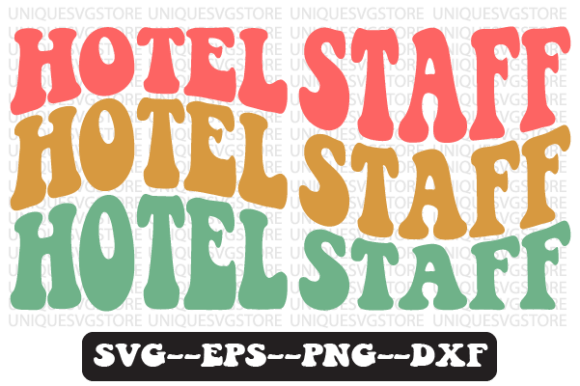
Reviewing the Office Staff Wavy Retro SVG for Embroidery
As a designer who has spent countless hours digitizing and stitching out files for clients, I have learned that not every graphic translates well to thread. When I first encountered the Office Staff Wavy Retro Svg Design, my initial reaction was one of cautious optimism. The wavy, distorted typography trend is undeniably popular in the world of Graphics and print-on-demand, but bringing that fluid, liquid aesthetic into the rigid structure of machine embroidery requires a keen eye for detail. This review explores how this design holds up when moved from a digital screen to actual fabric, specifically for those of us running small craft businesses or creating personalized gifts.
First Impressions and Visual Mood
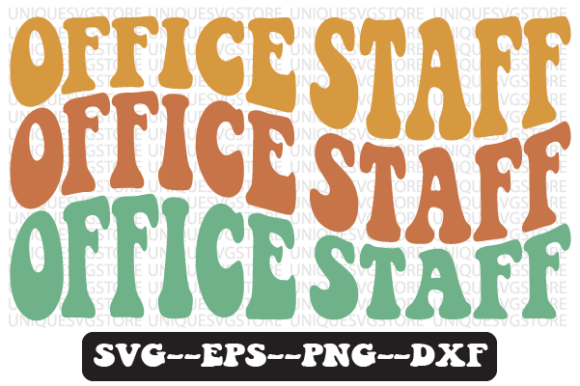
The immediate appeal of this design lies in its nostalgic yet modern vibe. The "wavy" effect gives it a playful, relaxed energy that feels right at home in contemporary casual wear. For an embroidery project, the layout suggests a design that relies heavily on smooth curves rather than sharp, angular corners. This is crucial because sharp corners in embroidery often require precise stopping and starting, whereas flowing lines can sometimes be stitched more efficiently with continuous runs. The visual personality of the piece is bold without being overly aggressive, making it a strong candidate for statement pieces like sweatshirt embroidery or tote bag designs where the text needs to be legible from a distance.
Real-World Application: The Custom Tote Test
To truly evaluate the Office Staff Wavy Retro Svg Design, I imagined a real-life scenario: preparing a batch of custom embroidered tote bags for a local boutique client. The client wanted something trendy but professional enough for office staff to use daily. In this context, the design’s retro flair offers a break from the sterile corporate aesthetic, adding a touch of humanity and humor to workwear.
When visualizing this on a canvas tote, the thickness of the lines becomes a primary concern. If the original SVG features very thin strokes, they may disappear into the weave of the fabric or break during stitching. However, if the waves are substantial, they provide excellent coverage. For a product like this, I would recommend using a dense fill stitch or a tight satin stitch border to ensure the text pops against the textured background of the canvas. The result would be a high-value handmade product that feels substantial and durable, enhancing customer trust in the quality of the item.
Navigating Fabric and Hoop Constraints
One of the most critical aspects of using any digital embroidery file is understanding its limitations on different materials. While the product description mentions it is a printable PNG for sublimation on items like mugs and drinkware, as an embroiderer, I must adapt it for needle and thread. Here is where practical judgment comes into play.
- Fabric Texture: On smooth fabrics like cotton twill or polyester blends, the wavy lines will appear crisp. On textured fabrics like terry cloth or heavy wool, the details might get lost. Always test on scrap fabric first.
- Stretchy Materials: If you plan to use this on baby embroidery projects, such as onesies, be mindful of distortion. Stretchy fabrics require a cut-away stabilizer to prevent the design from puckering, which could distort the wavy shape and make it look unintentional rather than stylistic.
- Hoop Size: Before purchasing or downloading, confirm the hoop size compatibility. A design that is too large for a standard 4x4 hoop may require splitting or resizing, which can alter the aspect ratio of the waves. Ensure the design fits your machine’s maximum embroidery area.
Stitching Strategy and Technical Considerations
Since this is originally an SVG and PNG intended for printing, it does not come with pre-defined stitch paths. This means you, the designer, must digitize it or convert it carefully. When converting vector graphics to an embroidery file, pay close attention to stitch density. Too much density on a wavy design can cause the fabric to pull and pucker, especially on curved surfaces like caps or hats. Conversely, too little density may leave gaps where the backing shows through.
I recommend using a combination of satin stitches for the outlines and fill stitches for the interior of the letters if they are thick enough. For thinner elements, a simple running stitch or triple run might suffice, but it lacks the premium feel of a satin column. Thread color contrast is also vital. Because the design is retro, consider using vintage-inspired palettes—mustard yellows, burnt oranges, or muted teals—rather than neon brights, unless the specific brand identity calls for it. Testing the design in black and white mockups can help you verify that the contrast is sufficient for readability before you commit to colorful threads.
Commercial Viability for Etsy Sellers and Crafters
For Etsy sellers and small shop owners, the versatility of the Office Staff Wavy Retro Svg Design is a major asset. It fits seamlessly into several profitable niches:
- Personalized Gifts: Adding names or titles beneath the main graphic can create unique wedding gifts or holiday embroidery presents.
- Boutique Branding: Use it on aprons or staff uniforms to create a cohesive look for cafes or creative agencies.
- Home Decor: Stitched onto pillow covers or tea towels, it adds a whimsical touch to kitchen or living room decor.
However, always check the licensing terms. Since this is listed under Crafts and Graphics, ensure you have the right to use it for commercial embroidery projects. Some licenses allow for physical finished products but restrict the resale of the digital file itself. Clarifying this upfront protects your business and maintains professionalism.
Final Verdict and Designer Notes
The Office Staff Wavy Retro Svg Design is a promising asset for creators willing to put in the technical legwork. It is not a plug-and-play solution for embroidery; it requires thoughtful digitization and testing. But when executed correctly, it offers a fresh, trendy look that stands out in a saturated market.
My advice is to start small. Stitch it out on a scrap piece of the exact fabric you intend to use for your final product. Check for thread breaks, tension issues, and overall clarity. If the waves hold their shape and the text remains legible, you have a winner. This design has the potential to elevate your custom apparel and handmade products, provided you respect the mechanical limits of your embroidery machine and the physical properties of your materials. By treating it as a design element to be adapted rather than just a picture to be copied, you can create finished products that are both visually striking and professionally crafted.