Reviewing the Vintage 1984 Wavy Retro SVG for Embroidery
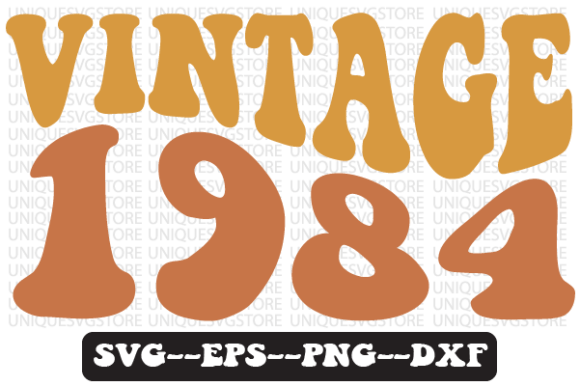
As a designer who spends half my life digitizing and the other half stitching, I have learned that not every graphic translates well to thread. When I first pulled up the Vintage 1984 Wavy Retro Svg Design, my initial reaction was one of cautious optimism. The aesthetic is undeniably trendy, tapping into that specific late-eighties nostalgia that dominates current Crafts and apparel markets. However, seeing a vector on a screen is vastly different from watching a needle punch through fabric. I needed to determine if this asset was merely a pretty picture or a viable foundation for a high-quality embroidery project.
The Visual Personality and First Impressions
The design carries a distinct mood. It is playful yet structured, with wavy lines that suggest movement without becoming chaotic. For those of us in the Graphics space, we know that retro typography and shapes often rely on clean lines to maintain their charm. This particular piece features bold, flowing contours that immediately catch the eye. The layout feels balanced, which is crucial when you are working within the confined circular space of an embroidery hoop.
What stands out most is the potential for color play. The wavy nature of the design invites experimentation with thread colors. You are not locked into a single palette. This flexibility is a massive advantage for Etsy sellers and small shop product creators who need to offer variety without creating entirely new designs. Whether you choose muted pastels for a soft, vintage feel or high-contrast neon tones for a bold statement, the structure holds up. It creates a visual personality that feels both nostalgic and fresh, making it an excellent candidate for modern custom apparel.
Real-World Application: The Tote Bag Test
To truly evaluate this design, I imagined a specific real-life scenario: preparing a custom embroidered tote bag for a local boutique client. Tote bags are notorious for their textured, often coarse weave, which can distort fine details. I asked myself, would the Vintage 1984 Wavy Retro Svg Design get lost in the fabric grain?
In this context, the boldness of the waves works in your favor. Unlike intricate lace patterns or tiny script fonts, these thicker wavy lines have enough substance to remain visible even on heavy canvas or denim. If I were stitching this onto a natural cotton tote, I would likely opt for a fill stitch approach to ensure full coverage and durability. The result would be a tactile, raised texture that adds significant perceived value to the handmade product. Customers touching the bag would feel the quality of the stitching, reinforcing trust in the brand.
Beyond tote bags, this design shines on sweatshirt embroidery. The relaxed fit of a hoodie or crewneck provides a large, flat canvas where the retro vibe can truly breathe. Here, the design acts as a centerpiece, drawing attention to the chest or back. It transforms a basic garment into a statement piece, perfect for personalized gift occasions or boutique branding.
Navigating Technical Challenges and Fabric Choices
While the design is versatile, it is not without its technical demands. As an experienced reviewer, I must point out where caution is needed. The primary concern with any wavy or curved design is the potential for puckering, especially on stretchy fabrics. If you are applying this to a baby embroidery project, such as a onesie or soft knit blanket, you must prioritize your stabilizer choice. A cut-away stabilizer is often safer than tear-away for knits to prevent the design from distorting after washing.
Another critical factor is stitch density. Since the original product description highlights this as a SVG and PNG intended for sublimation and printing, it does not come with pre-defined stitch data. This means you, the digitizer or designer, must decide how dense the stitching should be. Too dense, and the fabric will stiffen; too sparse, and the backing material might show through. For a machine embroidery design derived from this graphic, I recommend testing various densities on scrap fabric first. Pay close attention to the curves. Sharp turns in wavy lines can cause thread breaks if the needle penetration is too aggressive.
Additionally, consider the hoop size. While the design scales well, shrinking it too much for a small cap or pocket patch could merge the waves into an indistinguishable blob. Always maintain a minimum size where the individual elements remain clear. For embroidered patch applications, ensure there is enough margin around the edges for a satin stitch border, which frames the design neatly and prevents fraying.
Commercial Viability and Brand Consistency
For commercial embroidery professionals and craft business owners, consistency is key. This design offers a strong anchor for brand identity. Its retro theme aligns perfectly with current trends in home decor and fashion, making it a safe bet for inventory. Whether you are creating holiday embroidery gifts or everyday wear, the timeless nature of the 1984 aesthetic ensures it won’t look dated next year.
When using this as a digital embroidery file basis, remember to verify licensing. The product description mentions it is a printable PNG and SVG, often used for sublimation on mugs and wall art. Before selling finished stitched items, confirm that the license allows for commercial use of the derived embroidery work. Many designers appreciate clarity here, so reaching out to the creator or checking the specific terms is a prudent step.
Practical Designer Notes for Best Results
To get the most out of the Vintage 1984 Wavy Retro Svg Design, follow these practical steps before committing to your final finished product:
- Test on Scrap Fabric: Always run a test stitch-out on the same material you intend to use for the final item. This reveals issues with tension and density early.
- Check Thread Contrast: View your design in black and white mockups. If the waves disappear in grayscale, you may need to adjust your thread choices for better visibility on dark or light fabrics.
- Inspect Small Details: Zoom in on the curves. Ensure there are no jagged edges in the source file that could translate into messy stitching.
- Confirm Hoop Size: Match the design dimensions to your machine’s largest hoop if possible, to minimize re-hooping and alignment errors.
- Use Proper Stabilizer: Match the stabilizer to the fabric weight. Heavy fabrics need less support, while light or stretchy materials require robust stabilization.
In conclusion, the Vintage 1984 Wavy Retro Svg Design is a potent asset for the right project. It bridges the gap between digital design assets and tangible crafts with ease. By respecting the technical requirements of embroidery and understanding the fabric dynamics, you can turn this simple graphic into a high-value item that resonates with customers. It is not just a file; it is a starting point for creativity, provided you approach it with the precision and care that professional embroidery demands.