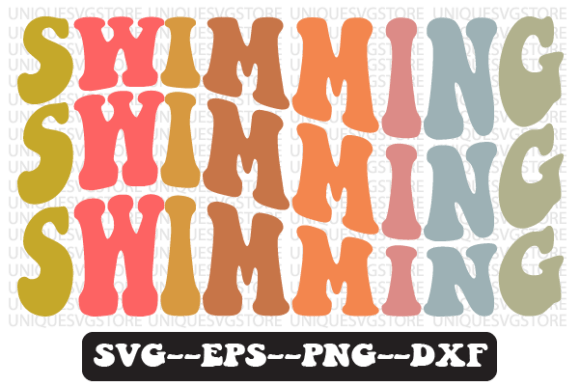
Reviewing the Swimming Wavy Retro SVG for Embroidery
As a designer who spends half my life digitizing and the other half stitching, I have learned that not every graphic translates well to thread. We often see beautiful Graphics in the digital space that fall flat when put under the needle. Today, I am taking a close look at the Swimming Wavy Retro Svg Design. This piece sits firmly in the Crafts category, but its potential extends far beyond a simple download. I want to evaluate how this specific aesthetic performs when translated into a tangible embroidery project.
The First Impression: Mood and Visual Personality
The moment I opened the file, the retro vibe was undeniable. The wavy lines suggest movement, nostalgia, and a laid-back summer energy. For an embroidery designer, this is both a blessing and a challenge. The organic curves of the waves require smooth digitizing to avoid looking jagged or stiff. If you are considering this for a custom apparel line, the mood it creates is playful yet sophisticated. It does not scream for attention; rather, it invites a second look. This subtle confidence is exactly what modern buyers look for in a handmade product.
When evaluating the layout, I noticed the balance between negative space and detail. In embroidery, negative space is your friend. It allows the fabric to breathe and prevents the garment from becoming a stiff board. This design seems to respect that balance, making it a strong candidate for various applications.
Real-World Application: The Tote Bag Test
To truly understand the value of this asset, I imagined a real-life scenario. Suppose you are preparing a custom order for a local boutique. They want a series of canvas tote bags for their summer collection. You choose the Swimming Wavy Retro Svg Design as the central motif. Here is how it plays out.
Canvas is a sturdy fabric, which means it can handle a moderate stitch density. However, because the design features wavy, flowing lines, you must ensure your digitizing uses appropriate stitch types. A combination of satin stitch for the bolder outlines and fill stitch for larger areas would work well. If the waves are thin, a running stitch might be more appropriate to keep the texture light. The result is a tote bag design that feels premium and durable. Customers touching the bag will feel the texture of the thread, adding tactile value to the visual appeal.
Versatility Across Product Lines
One of the strongest aspects of this design is its adaptability. While it shines on tote bags, it is equally effective on other items. Consider sweatshirt embroidery. A retro wave on the chest or sleeve of a hoodie adds a vintage touch that is currently trending. Because the design is likely scalable, you can adjust it to fit different hoop size constraints.
For baby embroidery, such as on a onesie or a soft blanket, you must be cautious. Babies have sensitive skin, so the back of the embroidery must be clean. Using a soft stabilizer and ensuring no scratchy tails are left is crucial. The playful nature of the waves makes it a hit for nursery decor or baby gifts, provided the thread colors are soft and appealing.
If you are an Etsy seller or run a small shop, this design can also be used for embroidered patch creation. Patches are a low-risk way to test new designs. You can stitch the wave onto twill, cut it out, and sell it as an accessory. This allows customers to apply the design to jackets, hats, or bags themselves, expanding your market reach.
Technical Considerations and Pitfalls
While the design is promising, there are areas where you must proceed with caution. Not every fabric behaves the same way. If you are stitching on textured fabric like a fluffy towel or a thick knit, the fine details of the waves might get lost. In these cases, simplifying the design or increasing the contrast between the thread colors and the fabric is essential.
Dark fabrics present another challenge. If you are stitching on black or navy, ensure your thread colors pop. Pastels might disappear, while bright whites or neon tones will stand out. Always test your design on scrap fabric first. This step saves you from ruining expensive garments. Check the stitch density to ensure it does not pucker the fabric. Puckering is the enemy of professionalism and can ruin the perceived value of your finished product.
Additionally, consider the surface curvature. Stitching on a cap or a curved sleeve requires careful hooping. The wavy lines must follow the contour of the garment naturally. If the design is too wide, it might distort on a small hoop. Always confirm the maximum stitch area your machine can handle before committing to a large-scale production run.
Enhancing Brand Value and Customer Trust
Using high-quality design assets like the Swimming Wavy Retro Svg Design directly impacts your brand consistency. When customers see clean, well-executed embroidery, they trust your craftsmanship. This trust translates into repeat business and positive reviews. Whether you are creating holiday embroidery for seasonal sales or everyday personalized gift items, the quality of the design reflects on your business.
For commercial embroidery projects, consistency is key. If you are producing multiple items, ensure that each stitch-out matches the previous one. This requires precise digitizing and reliable machines. The retro aesthetic of this design helps create a cohesive look across a product line, whether it is mugs, wall art, or apparel. Note that while the product description mentions printable PNGs for sublimation, our focus here is on the embroidery potential. If you are offering both printed and stitched versions, ensure the visual identity remains consistent across both mediums.
Practical Notes for the Designer
Before you launch this design into your store, take these practical steps:
- Test on Scrap Fabric: Always stitch a sample on the same material you plan to use for the final product.
- Check Thread Contrast: Ensure the thread colors stand out against the fabric background. Use a black and white mockup to check value contrast.
- Review Stitch Density: Adjust the density if the fabric is lightweight or stretchy to prevent puckering.
- Confirm Hoop Size: Make sure the design fits within your available hoop sizes without excessive resizing that could distort the waves.
- Inspect Small Details: Zoom in on the digitized file to check for jump stitches or unnecessary trims that could slow down production.
- Verify Licensing: Since this is a digital asset, confirm whether the license allows for commercial use of finished physical items. Most craft licenses allow selling stitched products, but always read the terms.
In conclusion, the Swimming Wavy Retro Svg Design is a versatile and stylish choice for modern embroidery projects. It bridges the gap between nostalgic charm and contemporary design. By paying attention to technical details like stabilizer choice, stitch type, and fabric compatibility, you can transform this digital graphic into a high-value handmade product. Whether you are decorating sweatshirts, creating patches, or designing nursery decor, this wave pattern offers a fluid elegance that resonates with today’s crafters and buyers. Treat it with the care it deserves, and it will become a staple in your design arsenal.